

Type 2 Diabetes Mellitus
- Mar 18, 2025
- 6 min read
Before understanding type 2 diabetes we need to understand few terms:
Glucose:
This is a type of sugar or a carbohydrate.
The food we eat is ultimately converted to glucose
Glucose is an immediate source of energy
In every cell of our body, glucose is converted to energy
The brain especially depends on glucose as an energy source
Excess glucose consumed is stored in our body in the form of glycogen in the liver.
Insulin:
Insulin is a hormone that plays an important role in maintaining blood sugars
Insulin is produced by beta cells of the pancreas
This is the only hormone in our body which in anti-diabetic – meaning it lowers blood sugars.
Other hormones such as glucagon, cortisol, adrenaline, nor adrenaline, thyroxine increases blood sugars
Without insulin, our blood sugars cannot be maintained under control.
Insulin signals our cells to uptake glucose. If there is no insulin, cells will not uptake glucose and so the blood sugar levels rise
Insulin resistance:
As we discussed above, insulin signals the muscle cells and adipose tissues to uptake glucose
Insulin is a key that opens the door, so that glucose can enter into the cells
When the muscle cells become resistant to insulin, more insulin is needed to open the doors (see fig). This is called insulin resistance. Meaning the cells have become resistant to insulin
For example, 1 unit of insulin is required for transport of 2 mmol of glucose into the cells in a healthy individual, for a person with insulin resistance, probably 5 units are needed
Initially our pancreas produces 5 units of insulin, but eventually with time beta cells become exhausted with insulin production
And when lifestyle changes are not followed, the cells with time becomes even more resistant to insulin

What is type 2 Diabetes Mellitus:
Type 2 diabetes is a chronic health condition in which blood sugars are higher than normal
Patients with type 2 have decreased glucose tolerance, decreased insulin sensitivity and increased insulin resistance
Type 2 diabetes contributes to 90% of the diabetes in the world whereas type 1 diabetes is about 10%
It’s also known as adult-onset diabetes.
However young people below the age of 20 yrs. are also developing type 2 diabetes due to obesity pandemic
By 2035, type 2 diabetes in the world is estimated to reach to 592 million
Causes for Type 2 diabetes:
Insulin is a hormone which is important to maintain blood sugars
Type 2 diabetes starts with insulin resistance in which the cells doesn’t respond properly to insulin
As cells do not respond well to insulin, pancreas starts producing more and more insulin which helps to maintain blood sugars
Gradually with time, the amount of insulin produced by the pancreas will not be sufficient to maintain blood sugars. This will lead to type 2 diabetes
Type 2 diabetes = Insulin resistance + Less insulin production by pancreas
|
The rate at which beta cells responds to the increase in blood sugars is also impaired in type 2 DM
As we age, beta cells start damaging and therefore leads to further progression of disease
Progression of the disease:
Insulin resistance ----> Prediabetes -----> Type 2 Diabetes -----> Complications
|
Progression of type 2 diabetes is as follows:
It may take several years for a person with insulin resistance to progress to type 2 diabetes without any symptoms
Proper diagnosis and dietary changes will help to reverse the condition and prevent progression to diabetes
Without proper lifestyle changes and nutrition, pre-diabetes can develop to diabetes within 2-5 years
Risk factors:
Overweight or obesity:
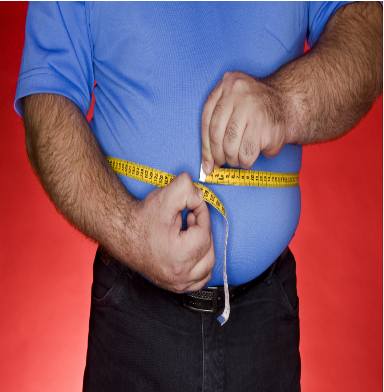
This is the major risk factor for Type 2 diabetes
High visceral fat located in the abdomen releases free fatty acids
These free fatty acids enter into skeletal muscles and block the muscle cells
As muscle cells are blocked, insulin cannot bind to receptors and signal the cells to uptake glucose
As there is no glucose uptake by muscle cells, blood sugars remain high
Indians are more prone to type 2 diabetes even with low BMI of 23 as the fat is predominantly the belly fat
·Diabetes and south Asians:
South Asians (e.g.: Indians) are at higher risk for diabetes even at low BMI of 23
South Asians have:
higher waist-to-hip ratio
higher body fat percentage
higher abdominal and ectopic fat
lower lean mass
less brown adipose tissue
South Asians get diabetes 10 years before the western countries
Complications are also higher for south Asians compared to other countries
Therefore, south Asians have to be aggressively targeted for prevention of type 2 diabetes with proper lifestyle and diet changes
Diets high in saturated fats and trans fats:
Saturated fats and trans fats can block the muscle cells and prevent uptake of glucose
Trans fats are present in all processed foods such as Maggie noodles, bakery items, deep fried chips, pizzas, burgers etc
Saturated fats are present in red meat, palm oil, coconut oil, ghee, butter
Diets high in refined sugars and simple carbs:
Consuming simple sugars spikes the blood sugars and eventually spikes insulin production
This challenges the pancreas to produce more and more insulin and with time pancreas gets exhausted.
The cells also become insulin resistant with time due to high exposure of cells to insulin
Examples of foods with refined sugars include donuts, gems, biscuits, bakery items etc.

Lack of physical activity:
Lack of physical activity leads to overweight and poor muscle mass. This leads to poor glucose utilization by the muscles
Sedentary behaviors such as watching TV for long hours is one of the major risk factors for type 2 diabetes
Traditionally in India, there used to be manual labor which is replaced by sedentary behaviors
Use of technology, long working hours in front of computers, lack of outdoor space for activity in urban settings etc.
Poor gut health:
Gut dysbiosis where there is an imbalance of good and bad bacteria can cause insulin resistance
Research based studies show that good bacteria produce postbiotics called short chain fatty acids (SCFA’s) which improves insulin sensitivity
Good bacteria ----> SCFA ----> improves insulin sensitivity of muscle cells ----> better glucose utilization
High calorie intake:
Intake of high calories more than required, it could be fats or carbs or protein will lead to excess fat deposition and type 2 DM
Family history can contribute but may not alone cause type 2 diabetes
Poor nutrition in the intrauterine life and over-nutrition in later part of life can lead to type 2 DM
Lack of sleep: Sleeping less than 5 hrs. or more than 9 hrs. at night are associated with type 2 diabetes
Smoking and alcohol: are independent risk factors for diabetes wherein liver and pancreas gets damaged
Other factors: pollution, use of endocrine disruptors such as plastics
Diagnosis of Type 2 diabetes:
Diagnosis plays an important role to identify the risk of diabetes and bring it under control
Type 2 diabetes diagnosis can be delayed for about 12 years without any symptoms
Therefore, its especially important for Indians to get blood sugars and fasting insulin levels checked every year
Type of test | Glucose levels |
Fasting blood sugars | 126 mg/dL or higher |
Random blood sugars | 200 mg/dL or higher |
Oral glucose tolerance test | 200 mg/dL or higher |
Post prandial blood sugars | 200 mg/dL or higher |
A1C test | 6.5 % or higher |
Symptoms of Type 2 diabetes:
Symptoms | Causes |
Increased urination especially at night – polyuria
| Body tries to eliminate excess blood glucose through urine Glucose is osmotically active so it drags water along with it leading to frequent urination |
Increased hunger – Polyphagia
| There is an increase in appetite as the tissues are not getting enough glucose |
Increased thirst– Polydipsia
| This is due to the excess loss of water through urine |
Tiredness, fatigue
| This is due to cells not getting enough glucose. If there is no glucose, cells cannot produce energy leading to tiredness and fatigue |
Blurred vision | Increased glucose levels can lead to swelling of the lens of eyes |
Slow healing of wounds | This is due to poor blood circulation and so the immune cells cannot reach to the wounds easily |
Weight loss may occur
| Body tries to break fat, as cells are not getting enough glucose |
Increased infections | The function of immune cells is affected due to high glucose levels Usually fungal and yeast infections such as candida |
Paresthesia’s | Excess glucose damages neurons causing numbness and tingling sensations in the hands and feet |
A balanced diet and an active lifestyle are essential for managing and reversing Type 2 diabetes. Learn how you can control blood sugar levels naturally with the right nutrition and daily habits.
📞 Contact us at 9373391799 for expert guidance on diabetes prevention and lifestyle changes!
Comments